
The production of bottled drinking water involves several key processes to ensure the water is safe, pure, and of high quality. These processes can vary slightly depending on the type of water being bottled (e.g., spring water, purified water, mineral water) and the production standards of the manufacturer.
However, the general steps involved in bottled drinking water production are as follows:

1. Water Source and Collection
Source Selection
The first step is selecting a high-quality water source, such as a natural spring, well, or municipal supply. The chosen source must meet regulatory standards for safety and purity.
Initial Collection and Storage
Water is collected from the source and stored in large holding tanks. These tanks are typically made from stainless steel to prevent contamination and are often situated near the bottling facility.
2. Water Treatment

The water treatment process varies based on the type of bottled water and source. The primary goal is to remove impurities, pathogens, and undesirable tastes or odors while preserving beneficial minerals for mineral or spring water types.
Pre-filtration
Water passes through a coarse filter to remove large particles and sediments.
Coagulation and Flocculation
Chemicals (like alum) may be added to bind with particles, forming larger clusters (floc) that are easier to remove.
Sedimentation
The water is allowed to sit so that the heavy floc particles can settle to the bottom of the tank.
Filtration
The clarified water is then passed through fine filters (e.g., sand filters, activated carbon filters) to remove remaining particles, organic material, chlorine, and any other contaminants.
Microfiltration/Ultrafiltration
For additional purity, microfilters or ultrafilters can remove tiny particles and microorganisms.
Reverse Osmosis (RO)
A process that forces water through a semi-permeable membrane, removing dissolved solids and impurities. This is common in the production of purified water.
UV Sterilization
The water is exposed to ultraviolet light, which kills or inactivates bacteria and viruses.
Ozonation
Ozone gas may be injected into the water as an additional disinfectant to ensure no microbial contamination. Ozone decomposes back into oxygen, leaving no residual taste or odor.
3. Bottle Blowing and Preparation
Preform Production
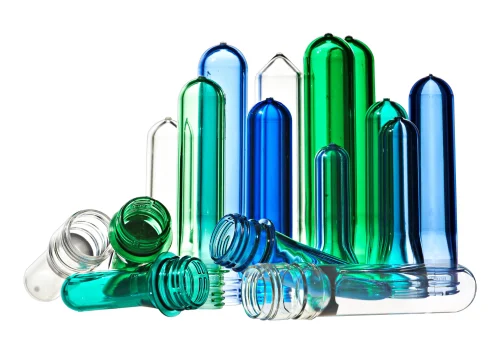
PET (Polyethylene Terephthalate) preforms are produced, which are small, thick plastic tubes that are later blown into bottles.
Unless you have a huge production, many water businesses choose to purchase PET preforms from other manufacturers.
Bottle Blowing
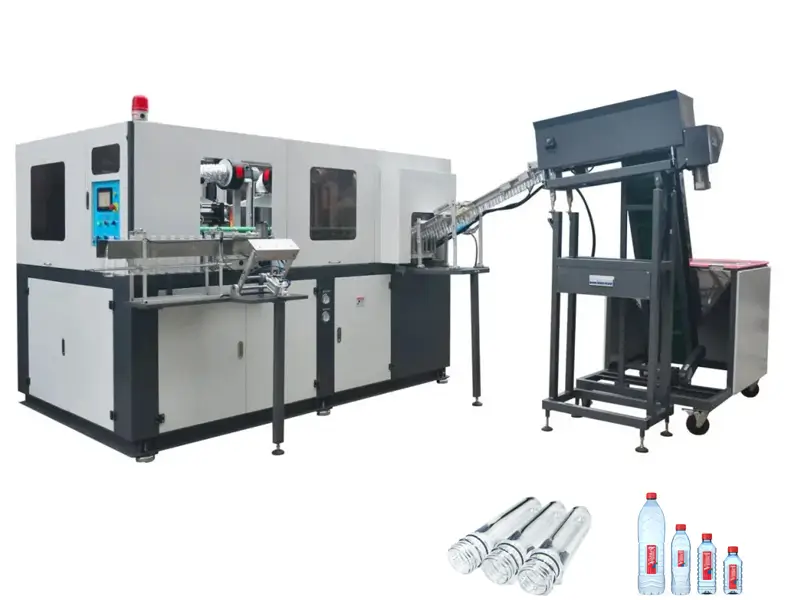
The preforms are heated and then placed in a blow molding machine, where they are inflated with compressed air into molds to form the desired bottle shapes.
Bottle Inspection
The blown bottles are visually inspected and tested for integrity to ensure they are free of defects, such as thin spots or holes.
4. Filling and Capping
Bottle Rinsing
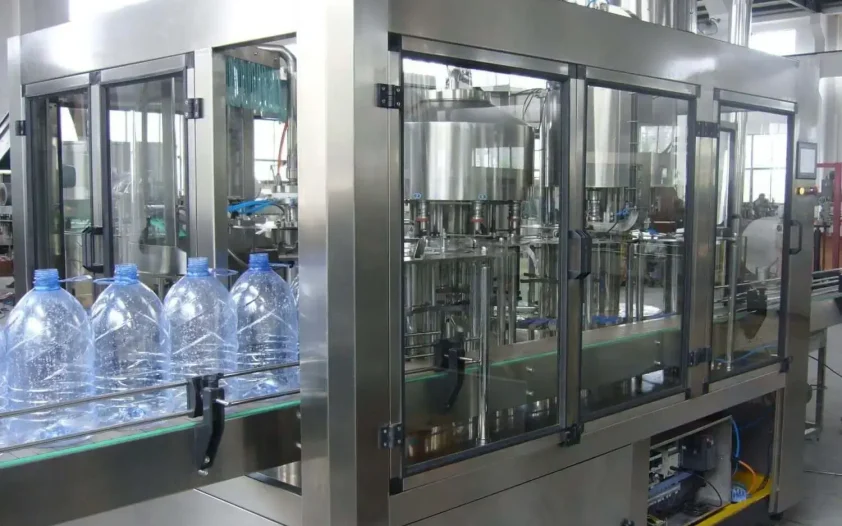
Before filling, bottles are rinsed with sterilized water or air to remove any dust or debris.
Filling
The treated water is dispensed into the cleaned bottles using an automated filling machine. The filling process is often done in a controlled environment to prevent contamination.
Capping
After filling, the bottles are immediately capped using automated capping machines. Caps are often sterilized before use to maintain hygiene standards.
5. Labeling and Packaging
Date Coding
The filled and capped bottles are transported via conveyor belts to the date coder printer. It prints production information, including the date and batch number, on the bottle or label to track the product.
Labeling
After printing, the bottled water are transported to a labeling machine. Labels are applied, often using a heat-shrink or adhesive labeler, and they provide information such as the brand, source, ingredients, and expiration date.
6. Quality Control
Sampling and Testing
Regular sampling and testing of water and bottles are conducted to ensure they meet safety and quality standards. Tests can include microbial analysis, chemical composition checks, and physical inspections.
Seal Inspection
Bottles are checked for proper sealing to ensure there is no leakage or risk of contamination.
Weight and Volume Checks
The filled bottles are weighed and measured to ensure they contain the correct amount of water.
7. Secondary Packaging and Palletizing
Packing
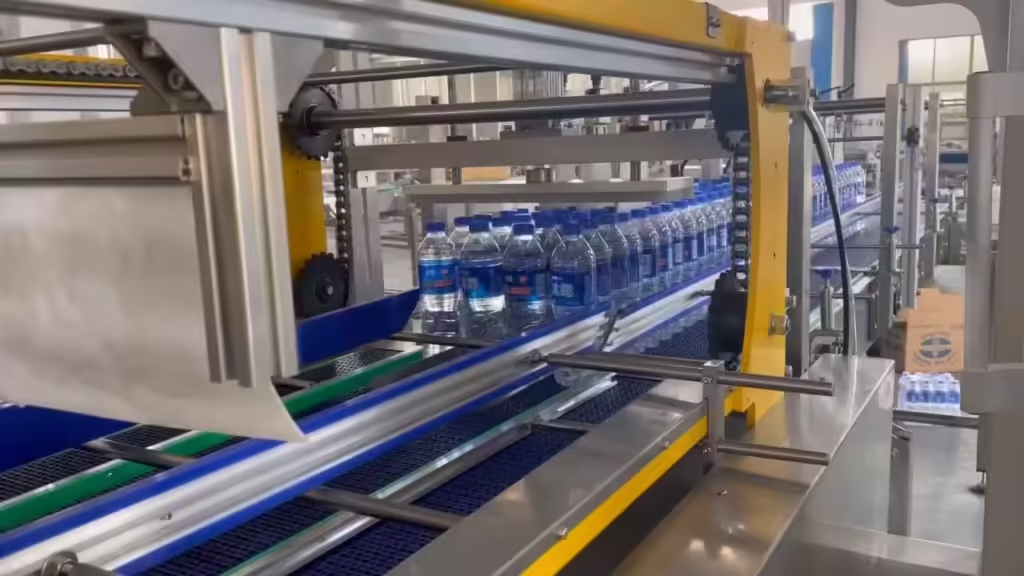
The labeled bottles are grouped into packs (usually 6, 12, or 24) and wrapped with shrink film for added protection and ease of handling. The grouping depends on customer requirements and retail standards.
Palletizing
The packs are then stacked on pallets, wrapped in stretch film, and prepared for storage or transportation.
The production of bottled drinking water is a highly regulated process designed to ensure that the final product is safe, pure, and of high quality. Each step in the process, from water treatment to bottling and distribution, involves rigorous quality control measures to maintain product standards and comply with health regulations.