
Did you know that the bottled water market in developing countries is projected to grow by over 8% annually in the next decade? As urbanization accelerates and access to clean tap water remains a challenge in many regions, bottled water is becoming a necessity rather than a luxury. For entrepreneurs, this presents a golden opportunity to enter a booming industry. But the question remains: Is bottled water profitable in developing countries, and how can startups succeed in this competitive landscape?
In this article, we’ll explore the profitability of bottled water businesses in developing countries, highlight key opportunities for startups, and provide insights on how to get started. With reliable equipment being the backbone of any successful water production business, companies like New Haiguang, with over 20 years of experience and exports to more than 60 countries, are helping startups turn their vision into reality.
Why Bottled Water Is in Demand in Developing Countries
Market Drivers
The demand for bottled water in developing countries is driven by several key factors. First, unreliable tap water is a common issue, with many regions lacking access to safe drinking water. According to the World Health Organization, over 2 billion people globally still lack safely managed drinking water services, with a significant portion residing in developing nations. This creates a strong reliance on bottled water as a safe alternative.
Second, growing health awareness among consumers is boosting demand. As people become more conscious of the risks associated with contaminated water, they are turning to bottled water as a trusted solution. Additionally, rapid urbanization and rising disposable incomes are fueling the growth of convenience-driven products like bottled water, especially in urban centers.
Consumer Preferences
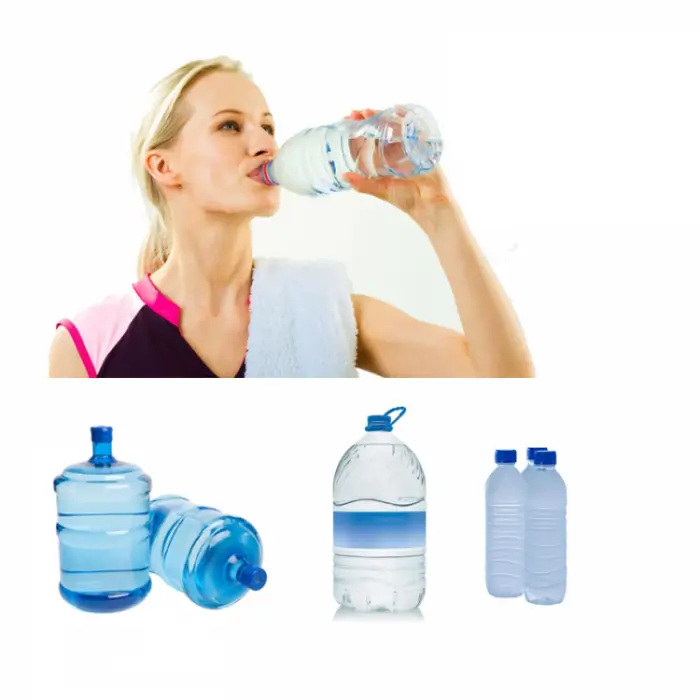
Consumer preferences in developing countries vary depending on usage and affordability. Small bottles (200ml to 2L) are popular for daily use, such as on-the-go hydration, school lunches, and small retail purchases. Meanwhile, 5-gallon bottles are in high demand for households, offices, and schools, where bulk water is needed for drinking, cooking, and other purposes. Understanding these preferences is crucial for startups to choose the right production focus and equipment.
Market Growth Data
The bottled water market in developing regions like Africa, Southeast Asia, and Latin America is experiencing significant growth. For example, a report by Grand View Research projects that the African bottled water market will grow at a compound annual growth rate (CAGR) of over 7% from 2023 to 2030, driven by population growth and water scarcity. Similarly, Southeast Asia is seeing a surge in demand due to urbanization and tourism. These trends indicate a ripe opportunity for new entrants to capture market share.
Profitability Factors for Bottled Water Startups
Low Production Costs
One of the biggest advantages of starting a bottled water business in a developing country is the relatively low production costs. Labor costs are often lower compared to developed markets, and raw materials, such as plastic for bottles, are widely available at competitive prices. Additionally, energy-efficient equipment can further reduce operational expenses, making it easier to achieve healthy profit margins.
High Demand, Low Competition
In many developing countries, the bottled water market is underserved, particularly in rural and semi-urban areas. While large multinational brands dominate major cities, smaller local brands have the opportunity to fill gaps in distribution and cater to niche markets. This high demand, coupled with relatively low competition in certain regions, creates a favorable environment for startups to establish a foothold.
Scalability
Bottled water businesses are highly scalable, making them an attractive option for entrepreneurs. Startups can begin with a small production line, such as a 200ml-2L small bottle water production line, to test the market and build a customer base. As demand grows, they can invest in additional equipment, such as 5-gallon water filling machines, to expand into new segments. This scalability allows startups to grow at their own pace while managing financial risks.
Challenges to Consider
Infrastructure Limitations
While the opportunities are significant, startups must also navigate challenges inherent to developing countries. Unreliable electricity and poor water quality are common issues that can disrupt production. However, these challenges can be mitigated with the right equipment. For example, investing in a high-quality commercial RO water purifier ensures a consistent supply of clean water, regardless of the source. Additionally, choosing energy-efficient equipment can reduce dependency on unstable power grids.
Regulatory Compliance
Compliance with local health and safety regulations is another critical consideration. Many developing countries have strict standards for bottled water quality, requiring startups to test and certify their products. Using reliable equipment, such as small bottle water bottling machines designed to meet international standards, can help startups pass inspections and build consumer trust.
Distribution Challenges
Logistics can be a hurdle in developing countries, where road infrastructure may be underdeveloped, and distribution networks may be fragmented. Efficient packaging is key to overcoming this challenge. For example, using a shrink-wrap machine for bottles ensures that products are securely packaged for transport, reducing damage and costs. Startups should also consider partnering with local distributors to expand their reach.
Opportunities for Startups
Niche Markets
One of the most exciting opportunities for startups is the ability to target niche markets. For instance, premium bottled water brands, which emphasize purity or added minerals, are gaining traction among health-conscious consumers. Startups can also explore flavored water or eco-friendly packaging to differentiate themselves. Equipment like bottle blowing machines allows startups to create custom bottle designs that enhance brand appeal, while bottle labelling machines ensure professional and compliant labeling.
Partnerships
Strategic partnerships can be a game-changer for startups. For example, securing bulk orders from schools, offices, or hospitals for 5-gallon bottles can provide a steady revenue stream. Similarly, partnering with local retailers or restaurants can help startups distribute small bottles to a wider audience. These partnerships not only boost sales but also enhance brand visibility.
Export Potential
For startups in developing countries, the potential to export to neighboring regions is a significant opportunity. With growing demand across borders, a well-equipped production facility can serve as a hub for regional distribution. Companies like New Haiguang, with a global network of over 500 clients and exports to 60+ countries, can provide the expertise and equipment needed to scale into international markets.
How to Get Started with the Right Equipment
Choosing the Right Production Line
The first step to launching a successful bottled water business is choosing the right production line. New Haiguang offers a range of solutions tailored to different market needs, including 200ml-2L small bottle water production lines, 3L-10L bottle water production lines, and 5-gallon bucket water production lines. For startups, starting with a small bottle line is often the most cost-effective way to enter the market, with the option to scale up later.
Essential Equipment
A complete bottled water production line requires several key pieces of equipment, each serving a specific function:
- Water Treatment: A commercial RO water purifier ensures that your water meets quality standards.
- Filling: Choose between small bottle water bottling machines or 5-gallon water filling machines based on your target market.
- Bottle Production: A bottle blowing machine allows you to create custom bottles for branding.
- Labeling: A bottle labelling machine ensures professional and compliant labeling.
- Packaging: A shrink-wrap machine for bottles prepares your products for safe transport.
Support Services
Starting a bottled water business can be daunting, but you don’t have to do it alone. New Haiguang provides professional installation guidance to ensure your production line is set up correctly from day one. Additionally, our lifelong consultation services mean you’ll have expert support at every stage of your business journey. Ready to get started? Contact us to discuss your needs and explore our solutions.
Conclusion
The bottled water market in developing countries offers immense profitability potential for startups, driven by high demand, low competition, and scalability. While challenges like infrastructure limitations and regulatory compliance exist, they can be overcome with the right strategy and equipment. From targeting niche markets to forming strategic partnerships, the opportunities for new entrants are vast and exciting.
If you’re ready to launch your bottled water business, New Haiguang is here to help. With over 20 years of experience, a global network of 500+ clients, and a full range of production equipment, we have the expertise to turn your vision into reality. With the right strategy and equipment, your bottled water startup can thrive in the growing markets of developing countries.